
Introduction
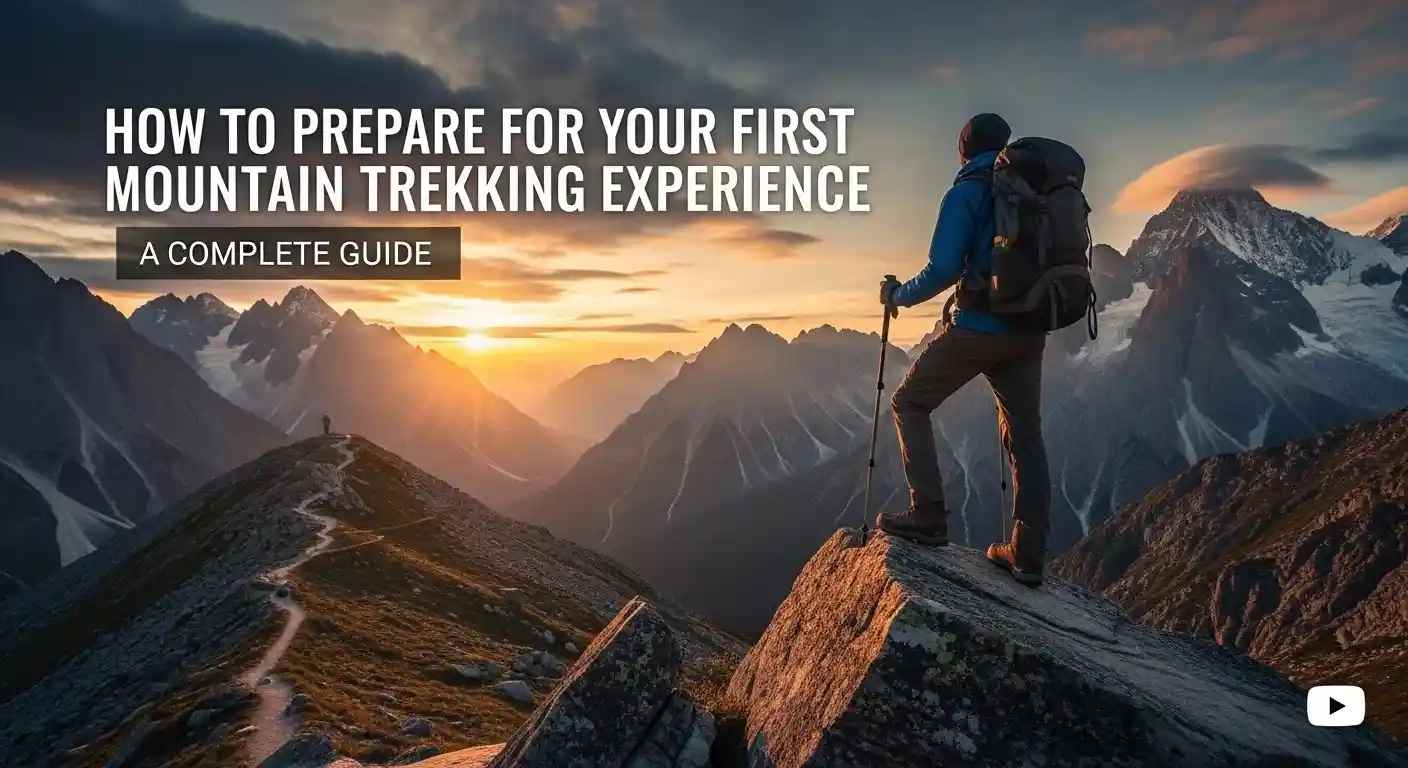
Mountain trekking is one of the most rewarding forms of adventure travel. There is something deeply satisfying about putting one foot in front of the other, climbing higher and higher until you reach a summit or a viewpoint that takes your breath away. But if you have never done it before, the idea of trekking through mountains can feel intimidating. How fit do you need to be? What gear should you pack? How do you stay safe at altitude? This comprehensive guide answers all of these questions and more, helping you prepare for your first mountain trekking experience with confidence and excitement.
Why Mountain Trekking Should Be on Your Bucket List
Mountain trekking offers benefits that go far beyond physical exercise. Spending days immersed in nature has been proven to reduce stress, improve mental clarity, and boost overall well-being. The sense of accomplishment you feel when reaching a summit or completing a challenging trail is unlike anything else. Trekking also connects you with diverse cultures, as many mountain trails pass through remote villages where traditional ways of life have been preserved for centuries. From the Himalayas to the Andes, from the Alps to the Atlas Mountains, every mountain range tells a different story and offers a unique experience that enriches your understanding of the world.
Building Your Fitness for Trekking
You do not need to be an elite athlete to enjoy mountain trekking, but a reasonable level of fitness will make the experience far more enjoyable. Start your preparation at least eight to twelve weeks before your trek. Focus on cardiovascular endurance through activities like brisk walking, jogging, cycling, or swimming. Aim for at least four to five sessions per week, gradually increasing the duration and intensity. Strength training is equally important, particularly for your legs, core, and back muscles. Squats, lunges, step-ups, and planks should be staples of your routine. Perhaps the most effective training is hiking itself. Find local trails with elevation gain and practice with a loaded backpack to simulate real trekking conditions. Start with shorter hikes and progressively increase the distance and elevation to build stamina and confidence.
Essential Gear for Your First Trek
Having the right gear can make the difference between an enjoyable trek and a miserable one. Your footwear is the single most important piece of equipment, so invest in a good pair of waterproof hiking boots that provide ankle support and have a grippy sole. Break them in thoroughly before your trek to avoid painful blisters. A quality backpack with proper hip belt support in the 30 to 50 liter range is essential for carrying your supplies comfortably. Layering is the key to mountain clothing since temperatures can change dramatically throughout the day. Pack a moisture-wicking base layer, an insulating mid-layer like fleece, and a waterproof outer shell. Do not forget a warm hat, gloves, sunglasses, and sunscreen since the sun at altitude is deceptively strong. Other essentials include trekking poles for stability on steep terrain, a headlamp with extra batteries, a first aid kit, water purification tablets, and a reliable map or GPS device.
Understanding Altitude and Acclimatization
If your trek takes you above 2,500 meters, altitude sickness becomes a real concern. The air at higher elevations contains less oxygen, and your body needs time to adjust. Common symptoms of mild altitude sickness include headache, nausea, dizziness, and fatigue. The golden rule is to ascend gradually, climbing no more than 300 to 500 meters per day once you are above 3,000 meters. Many well-designed treks incorporate rest days specifically for acclimatization. Stay well hydrated by drinking at least three to four liters of water daily, avoid alcohol, and listen to your body. If symptoms worsen despite rest, the only reliable treatment is to descend to a lower elevation. Never ignore the signs of altitude sickness as it can progress to dangerous conditions like pulmonary or cerebral edema if left untreated.
Best Beginner-Friendly Treks Around the World
If you are looking for treks that offer stunning scenery without extreme difficulty, there are several excellent options. The Inca Trail to Machu Picchu in Peru is a classic four-day trek that combines history, culture, and beautiful mountain landscapes. The Tour du Mont Blanc in Europe circles the highest peak in the Alps through France, Italy, and Switzerland with comfortable hut-to-hut accommodation. The Everest Base Camp trek in Nepal, while long, follows a well-established trail with teahouse lodging available throughout. Closer to home for many travelers, the Appalachian Trail sections in the eastern United States offer accessible mountain trekking with varying difficulty levels. The Annapurna Base Camp trek in Nepal is another fantastic choice, taking you through diverse landscapes from rice paddies to alpine meadows with manageable daily distances.
Safety Tips Every First-Time Trekker Should Know
Safety should always be your top priority on any mountain trek. Never trek alone on unfamiliar trails and always inform someone of your planned route and expected return time. Check weather forecasts daily and be prepared to change plans if conditions deteriorate. Carry more food and water than you think you will need since unexpected delays can extend your time on the trail. Learn basic navigation skills and do not rely solely on electronic devices that can run out of battery or lose signal. Know the symptoms of common mountain hazards including altitude sickness, hypothermia, and dehydration. Consider hiring a local guide for your first trek, as their knowledge of the terrain, weather patterns, and emergency procedures is invaluable.
Conclusion
Your first mountain trekking experience has the potential to be a life-changing event. With proper preparation, the right gear, and a respectful attitude toward the mountains, you can enjoy one of the most fulfilling forms of travel on the planet. Start small, build your fitness gradually, and choose a trek that matches your current ability level. The mountains will always be there, and with each trek you complete, your confidence and skills will grow. Visit TravelingFirst for more trekking guides, destination recommendations, and expert tips to help you plan your next mountain adventure.